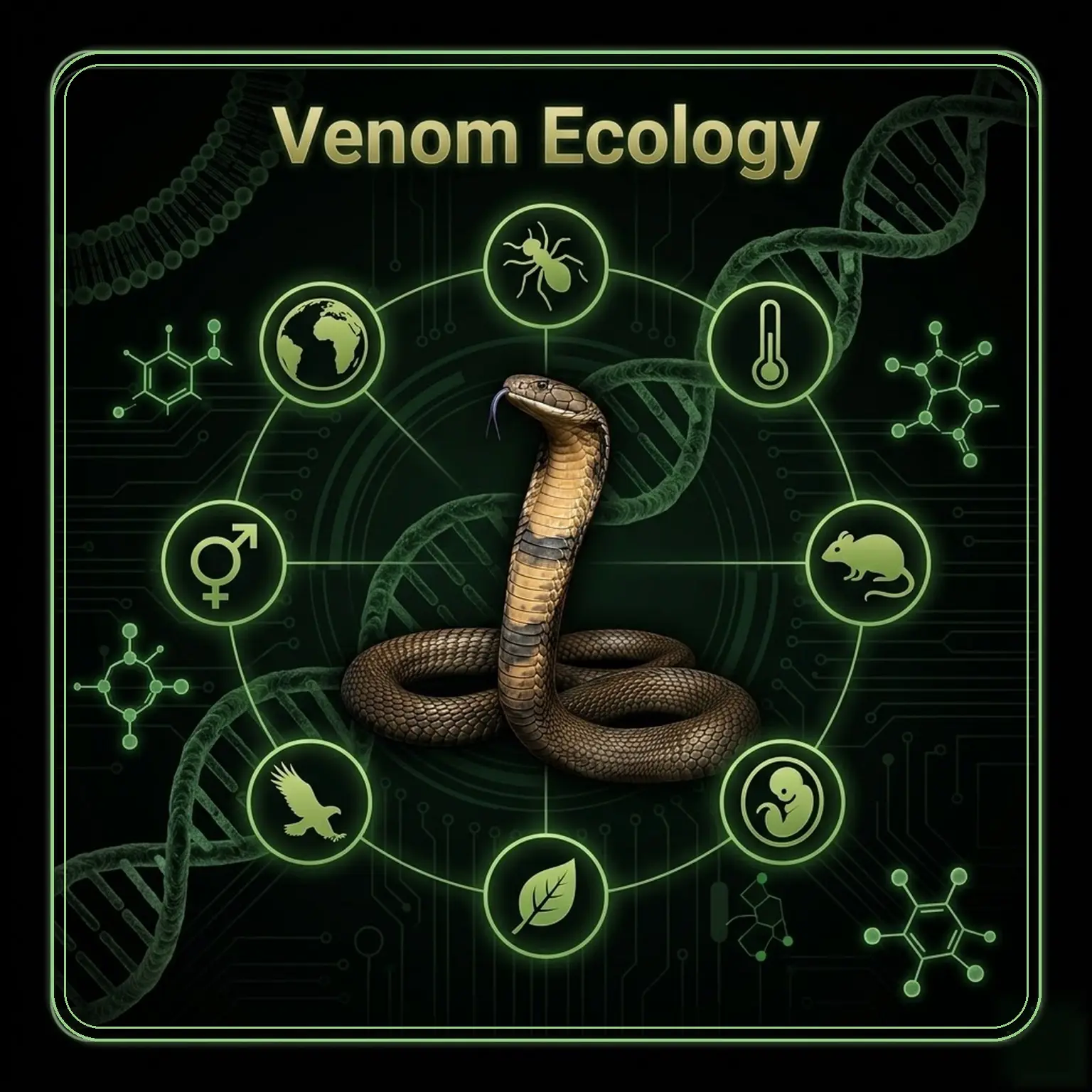
Convergent evolution has driven the independent emergence of venom in over 100 distinct animal lineages. Our work examines the influence of ecological pressures, environmental variables, geographic isolation, and selective forces on the molecular composition and toxicity of venoms. This comparative research spans multiple taxa, including Serpentes, arachnids, hypmenopterans, and others, with a geographic focus on the Indian subcontinent and broader ecosystems.
Using venoms to decode evolution,
biodiversity, and advanced therapeutics.
The Evolutionary Venomics Lab uncovers how ecology and environment shape animal venoms. These fundamental discoveries are translated into next-generation therapeutics, such as monoclonal antibodies and small-molecule inhibitors, to tackle the snakebite crisis in India and globally.
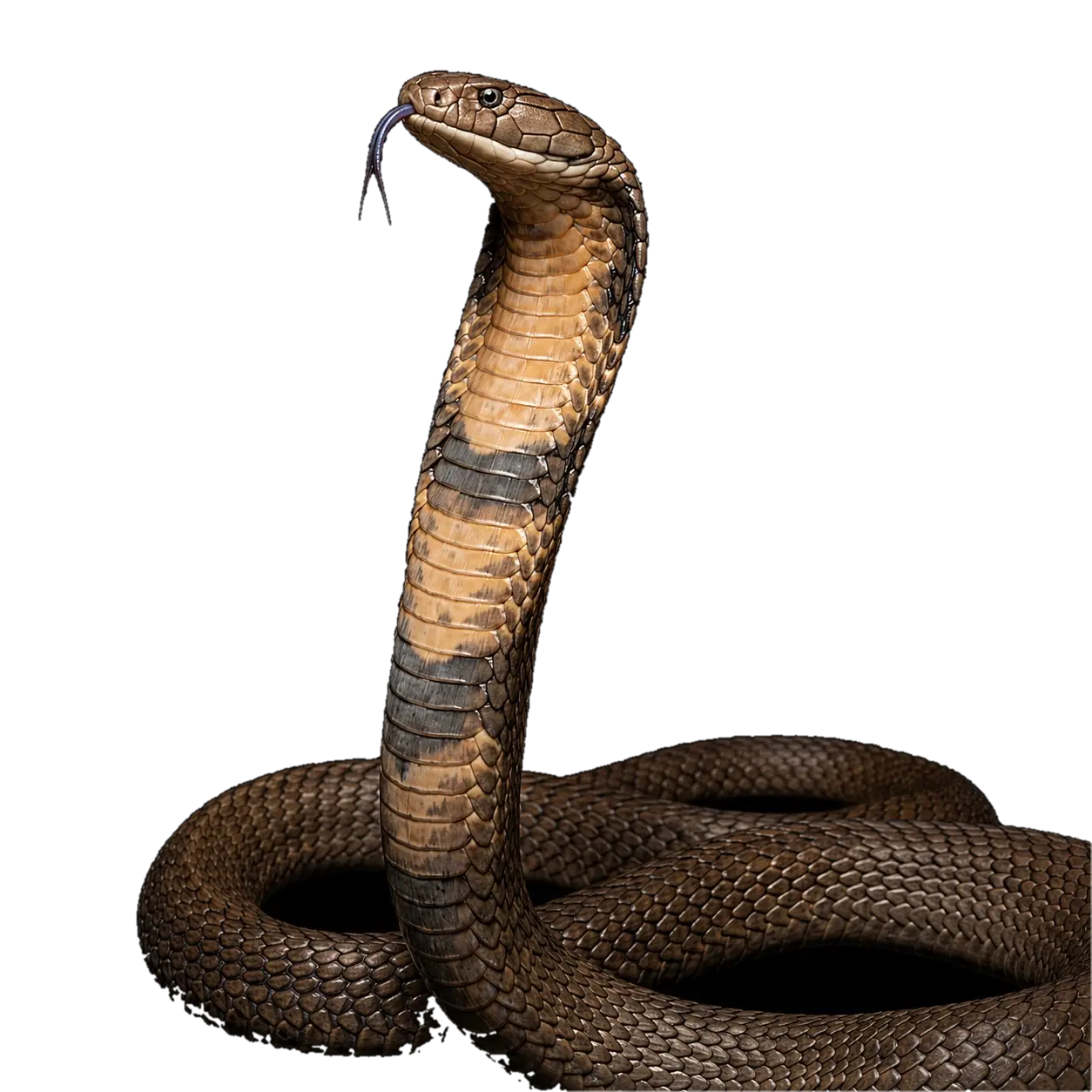
Snakebite Statistics in India
Biogeography, Caste, Climate, Diet, Development, Environment, Predators, Sex?
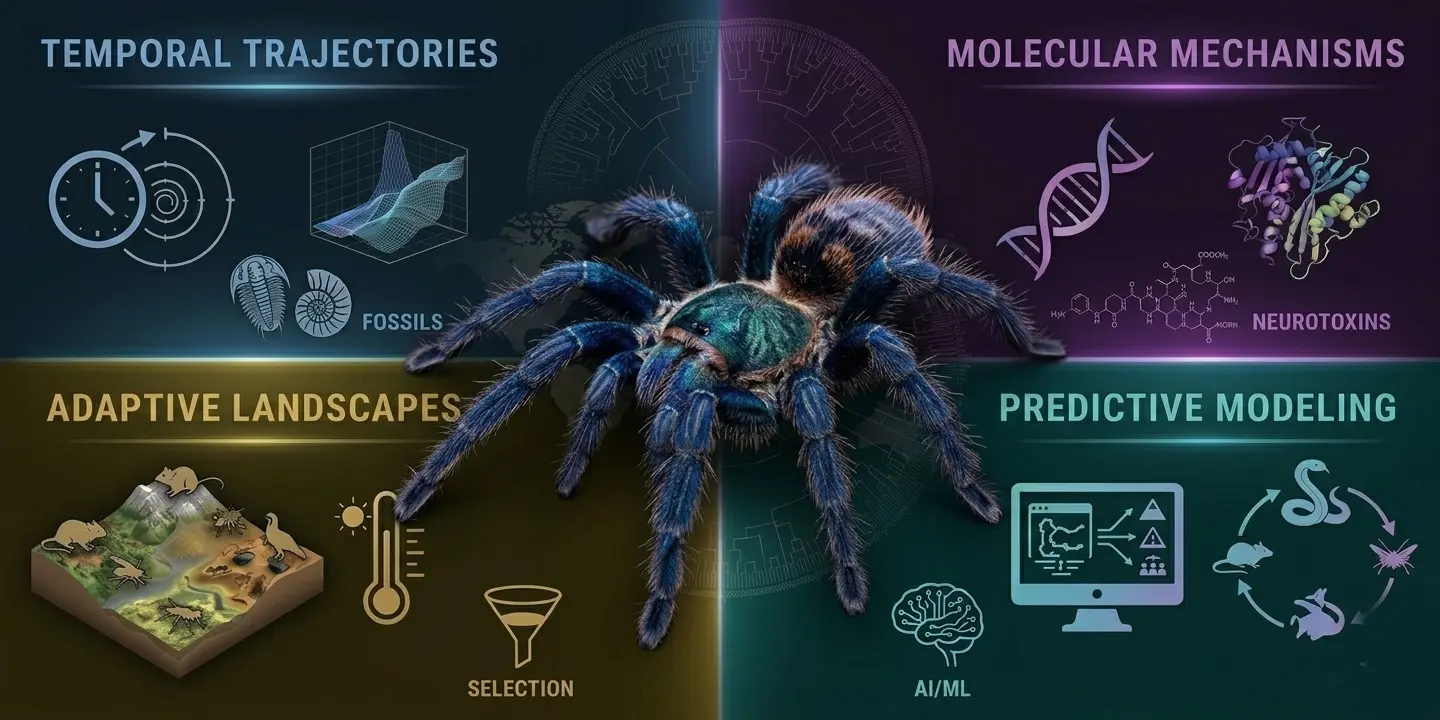
Does venom change over time?
How much? How quickly? In what way? What drives it? Can we predict it? How does it affect the venomous animal and its predator/prey?
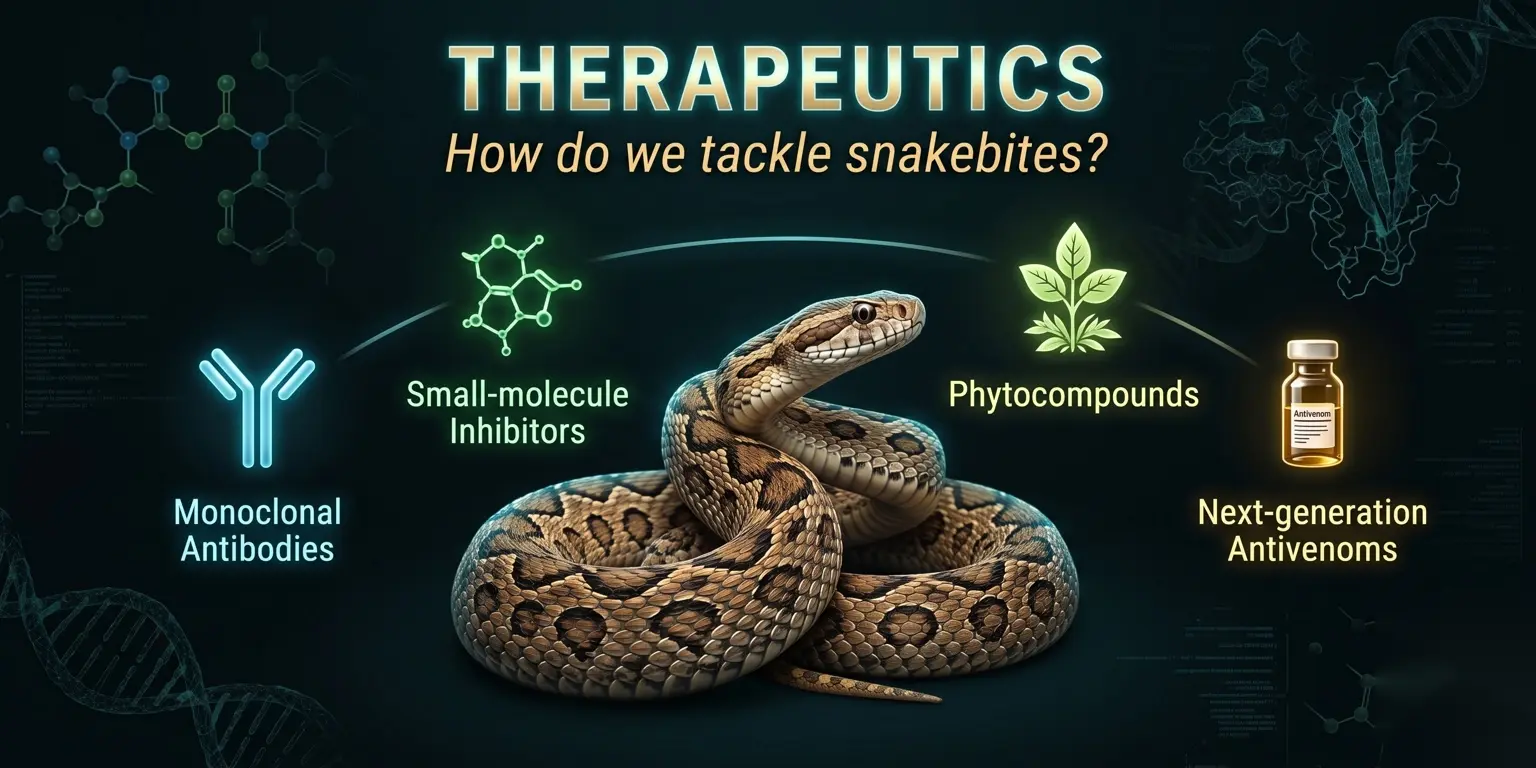
Monoclonal Antibodies, Small-molecule Inhibitors, Phytocompounds, and Next-generation Antivenoms?
A broad venomics program with real-world impact.
Our research leverages venomous animals as model systems to explore core questions in evolutionary biology and genetics. Employing advanced, multidisciplinary technologies, we reconstruct the evolutionary histories of venoms and their source organisms. Concurrently, we translate these biological insights into novel therapeutic strategies for snakebite envenoming, aiming to develop treatments with greater efficacy, safety, and affordability.
We aim to develop advanced therapeutics for medically important envenomings in India and globally. We reshape snakebite treatment by improving conventional antivenoms, engineering broadly neutralizing monoclonal antibodies, evaluating repurposed small-molecule inhibitors, and medicinal plant-derived phytocompounds.
We reconstruct evolutionary relationships among venomous animals to resolve species boundaries, identify hidden diversity, and understand how lineages radiate across deep evolutionary time.
We investigate how geography, habitat, and climatic history shape the distribution of venomous animals across India and beyond, revealing broad-scale patterns of diversification.
We use genome-scale datasets to resolve difficult evolutionary relationships, test deep-time hypotheses, and uncover the genomic basis of diversification in venomous animals.
We examine how toxin genes and venom systems evolve under natural selection, constraint, and functional innovation across ancient and recently diverged lineages.
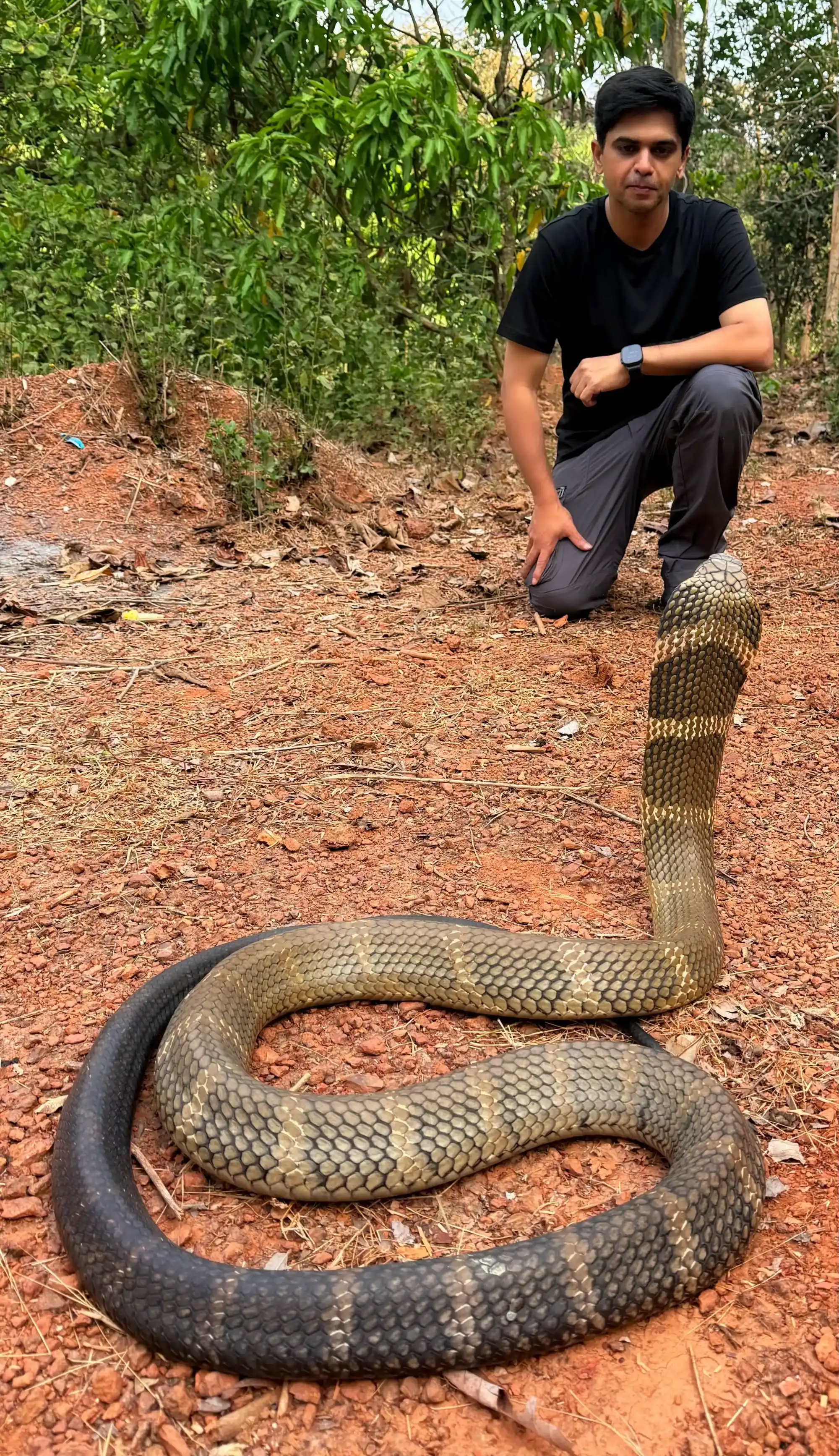
An Associate Professor at the CES, IISc, Bangalore, and the founder of Evolutionary Venomics Lab, VISHAM and Venomics AI.
Key discoveries across evolution, diversity, and translation.
Landmark discoveries across venom evolution, biodiversity, and therapy.
Selected advances led or co-led by Kartik Sunagar that have reshaped how venom systems are understood and translated.
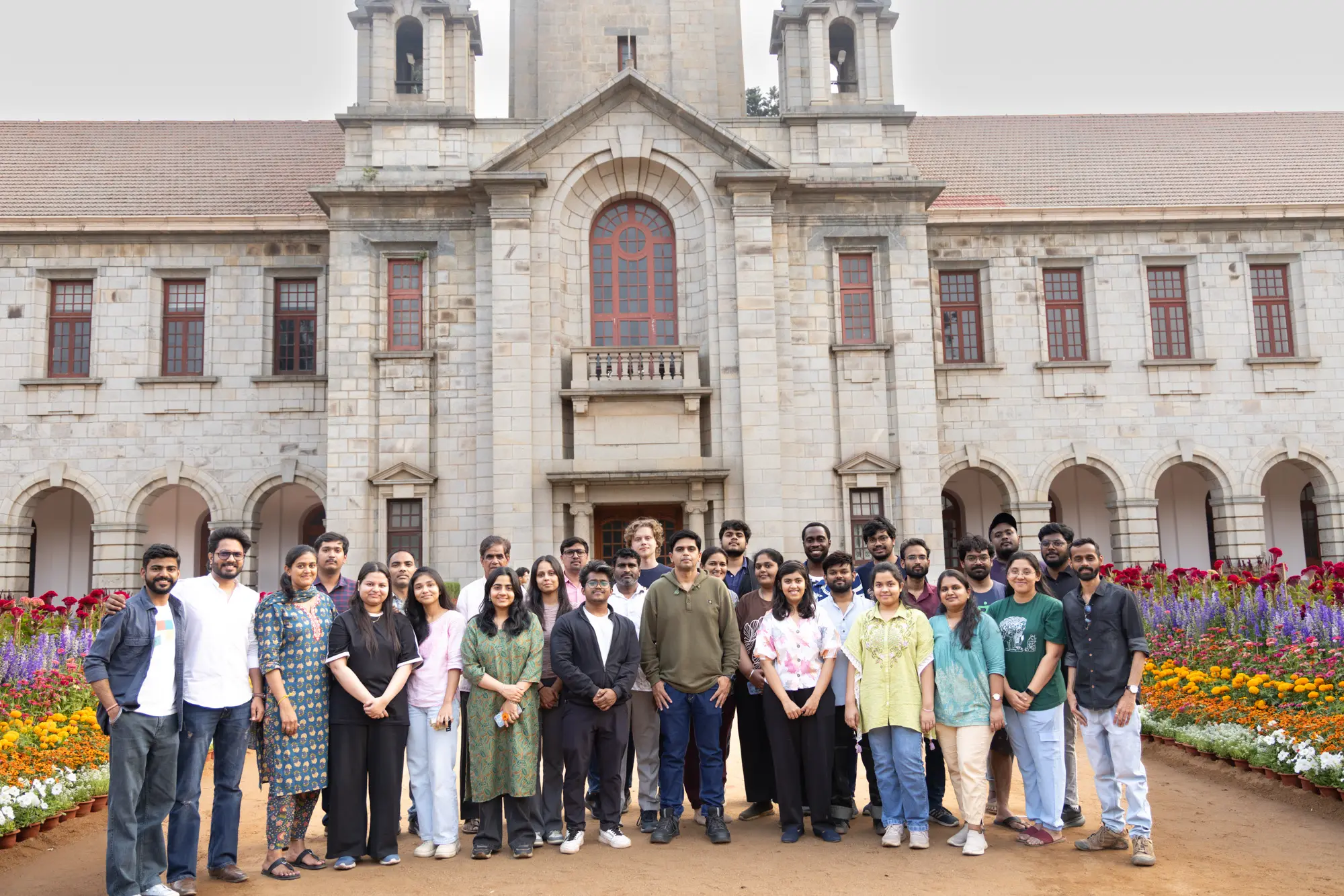
The lab.
A multidisciplinary team of evolutionary biologists, ecologists, biochemists, and translational researchers working across scales — from toxin molecules and venom glands to biodiversity patterns, diagnostics, and therapeutic design.
A living map of venom research.
Discover how our science moves from the field to the clinic. This collection of work tracks our continuous progress across evolutionary biology and toxin ecology, leading directly into the design and translation of next-generation snakebite therapeutics
Selected Publications
Representative articles mapping the progression of EVL research.
Join the lab.
We are always looking for motivated researchers to join our multidisciplinary team. Applications for internships, PhD positions, guest scientist appointments, and postdoctoral fellowships must go through the dedicated application portals below.
Postdoctoral Fellows
Prospective postdocs with a strong background in toxinology, biochemistry, evolutionary biology, cell culture, bioinformatics and/or immunology are encouraged to apply. Opportunities exist through national fellowships (N-PDF, DBT-RA, CSIR) or institutional (Raman Post-doc) mechanisms.
PhD Students
Students can join the lab through the standard IISc PhD and Integrated PhD admission programs. Candidates must clear national entrance exams and subsequent IISc interviews.
Interns & Project Staff
The lab hosts short-term interns and Project Assistants. Applicants are expected to be highly motivated and willing to commit for at least six months for an internship or two years for a Project Assistant position.
Guest Scientists
Experienced researchers with exceptional CVs, interested in joining the group as Guest Scientists at an advanced postdoctoral level, may consider applying for the India Alliance Early Career Fellowship or the DST-INSPIRE Faculty Fellowship.
Funders & Collaborators.
We have active collaborations across India and internationally, partnering to advance biodiscovery, venom and antivenom research.
Our Network
Partner with us to advance biodiscovery, venom and antivenom research. We are currently open to new academic partnerships, clinical data-sharing, and industry-supported translational projects. Together, we can drive forward research in biodiversity, comparative evolution, diagnostics, and life-saving therapeutics.
Reach out.
For academic collaborations, media requests, speaking invitations, or general questions. Job applications should go through the dedicated application form — not this route.
General inquiries
Use this for academic collaborations, media inquiries, speaking invitations, and general questions about the lab's research.
3rd Floor, Centre for Ecological Sciences
Indian Institute of Science
Bangalore 560 012, India